Cash Cleaning Machines and Chemical Solutions: Technology, Applications and Safe Handling
Introduction
Cash cleaning machines and specialized chemical solutions are part of a broader category of equipment designed for controlled cleaning, treatment, and handling applications. Modern businesses increasingly rely on technology-driven equipment to improve consistency, efficiency, and operational safety when working with contaminated documents, currency-like materials, paper substrates, and other sensitive materials.
As demand for specialized cleaning equipment continues to grow, manufacturers and suppliers are developing machines that combine mechanical processing, controlled liquid application, temperature management, and automated operation. These technologies can help businesses achieve more consistent results than manual cleaning methods.
However, it is important to understand that cleaning equipment should only be used for legitimate and lawful purposes. A machine or chemical solution should never be represented as a method for converting counterfeit, illegally obtained, chemically altered, or otherwise unlawful currency into legitimate money.
This article explains the general technology behind cash-cleaning equipment, chemical solutions, their legitimate applications, important features, and factors businesses should consider when selecting a supplier.SSD Chemical Solution & Currency Cleaning Machines
What Is an SSD Chemical Solution?
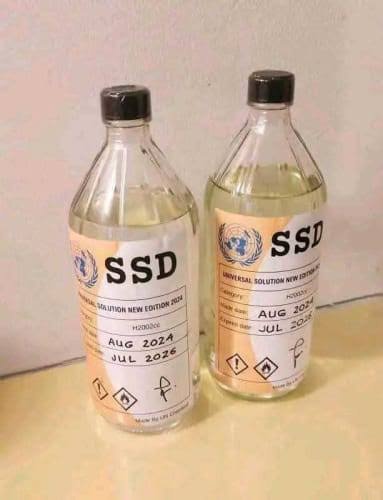
An SSD chemical solution is a specialized chemical formulation marketed for the treatment of certain stained, coated, or defaced paper materials. Depending on the specific formulation, chemical products may be designed to interact with particular residues or surface contaminants.
The exact composition and intended application of a chemical solution are important considerations. Customers should always review the manufacturer’s product documentation, safety information, recommended application, and material compatibility before using any chemical.
Chemical solutions should never be selected solely because of a product name or marketing description. Different paper substrates, inks, coatings, and contaminants can respond differently to chemical treatment.
What Is a Cash Cleaning Machine?
A cash cleaning machine is specialized equipment designed for controlled treatment or cleaning of paper-based materials. Depending on the machine’s configuration, it may use mechanical movement, controlled liquid application, filtration, drying, or other processes.
The exact operating principle varies from manufacturer to manufacturer.
Some systems are designed for laboratory or demonstration purposes, while others may be developed for specialized document-handling or restoration applications. The appropriate machine depends on the material being treated, the type of contamination, the required throughput, and the cleaning process.
Modern systems can incorporate automated controls that reduce the need for constant manual intervention.
Importance of Automated Cleaning Technology
Traditional manual cleaning processes can require considerable time and may produce inconsistent results. Automated systems are designed to improve process consistency by controlling important operating parameters.
Depending on the equipment, these parameters can include:
- Processing time
- Liquid quantity
- Temperature
- Agitation
- Drying conditions
- Filtration
- Material handling
- Machine operating cycles
Automation can make it easier for operators to repeat a process under similar conditions.
For businesses working with sensitive paper materials, controlled processing can be particularly valuable because excessive moisture, heat, or chemical exposure may damage the substrate.
Chemical Solutions Used in Cleaning Applications
Chemical solutions are another important component of specialized cleaning systems.
Different cleaning applications require different formulations. A chemical solution may be designed to remove specific types of surface contamination, oils, stains, residues, or other materials.
The appropriate formulation depends on the substrate and contamination involved.
A professional supplier should provide information about:
- Chemical composition
- Intended application
- Recommended concentration
- Storage requirements
- Handling instructions
- Safety precautions
- Compatibility with materials
- Disposal requirements
Chemical products should always be used according to their manufacturer’s instructions and applicable safety requirements.
Liquid Cleaning Solutions
Liquid solutions can provide controlled cleaning when used with compatible equipment.
In automated systems, the liquid may be circulated or applied in a controlled manner. Filtration systems can potentially help manage suspended particles and extend the useful life of a solution where the equipment is designed for such operation.
The choice of liquid depends on the specific cleaning objective.
Using an inappropriate chemical can cause discoloration, deterioration, deformation, or other damage to paper and printed materials. Therefore, testing compatibility on suitable sample material before full-scale processing is an important precaution.
Technology-Driven Product Development
Technology plays an increasingly important role in modern cleaning equipment.
Manufacturers can integrate features designed to make machines easier to operate, monitor, and maintain. Depending on the model, these may include digital controls, automated cycles, liquid-level monitoring, temperature controls, filtration systems, and safety mechanisms.SSD Chemical Solution & Currency Cleaning Machines
The goal is to make the process more predictable while reducing unnecessary manual handling.
For commercial users, technology can also help improve productivity and reduce variation between individual processing cycles.
Key Features to Consider
When evaluating a cash-cleaning or document-cleaning machine, buyers should consider the equipment’s technical specifications rather than relying only on promotional claims.
1. Automated Operation
Automation can simplify repetitive processes and help maintain consistent operating cycles.
2. Controlled Chemical Application
A controlled application system can help prevent excessive use of cleaning liquid and improve process repeatability.
3. Temperature Control
Some cleaning processes require controlled temperatures. A suitable temperature-control system can help maintain operating conditions within the manufacturer’s recommended range.
4. Filtration
Filtration can be useful in systems where cleaning liquids are circulated. It may help remove particles and other contaminants from the working solution.
5. Safety Features
Chemical-handling equipment should include appropriate safety features and clear operating instructions.
6. Easy Maintenance
Equipment that is straightforward to clean and maintain can reduce downtime and support long-term operation.
7. Capacity
Businesses should select a machine based on their expected workload. Processing capacity, tank size, cycle time, and material compatibility are important considerations.
Applications of Cleaning Equipment
Specialized cleaning equipment can have legitimate applications across different industries.
Potential applications may include:
- Document restoration
- Paper-material cleaning
- Archival material treatment
- Laboratory demonstrations
- Industrial cleaning processes
- Research and development
- Controlled material testing
- Specialized paper handling
The appropriate use depends on the equipment’s technical design and the manufacturer’s intended application.
Why Quality Matters
Quality is especially important when machines are designed to work with delicate paper or sensitive materials.
Poorly manufactured equipment may provide inconsistent liquid distribution, inadequate temperature control, unreliable automation, or insufficient safety features.
A quality-focused manufacturer should pay attention to material selection, machine construction, control systems, testing procedures, and after-sales support.
Customers should also ask about warranty coverage, spare parts, technical support, operating instructions, and maintenance requirements before purchasing equipment.
Choosing the Right Chemical Solution
Selecting a chemical solution should not be based solely on price.
The solution must be appropriate for the material being treated and compatible with the equipment.
Important considerations include:
Material compatibility: The chemical should not unnecessarily damage the substrate.
Concentration: The manufacturer’s recommended dilution or concentration should be followed.
Storage: Chemicals should be stored according to their safety documentation.
Handling: Operators should follow appropriate protective measures.
Disposal: Used chemical solutions should be disposed of according to applicable regulations.
Businesses should request technical documentation and safety information from their supplier before using unfamiliar chemical products.
Advantages of Working With an Experienced Supplier
Purchasing a machine is only one part of establishing a reliable cleaning process.
An experienced supplier can provide valuable support regarding equipment selection, operating procedures, maintenance, chemical compatibility, and troubleshooting.
A professional supplier should be able to explain the machine’s capabilities clearly rather than making unrealistic claims.
Customers should look for suppliers that provide transparent specifications, product documentation, technical assistance, and dependable after-sales service.
Quality and Customer Requirements
Different customers may have different processing requirements. A technology-driven manufacturer can develop product configurations according to factors such as capacity, automation level, material type, and operating environment.
Offering multiple machine sizes or configurations allows businesses to select equipment that better matches their operational needs. SSD Chemical Solution & Currency Cleaning Machines
Similarly, chemical solutions may be available in different quantities depending on the application and purchasing requirements.
Safe and Responsible Use
Chemical cleaning equipment should always be operated responsibly.
Operators should read the manufacturer’s instructions before using the machine and should understand the recommended procedures for loading materials, adding cleaning solutions, operating the equipment, and completing maintenance.
Appropriate protective equipment should be used when required by the chemical’s safety documentation.
Machines should also be operated in suitable environments with appropriate ventilation and electrical safety measures.
Conclusion
SSD Chemical Solution & Currency Cleaning Machines Cash-cleaning machines, liquid cleaning solutions, and specialized chemical products represent a technology-driven approach to controlled cleaning and treatment processes. Modern equipment can combine automation, controlled liquid application, filtration, temperature management, and safety features to support consistent operations.
For businesses looking for specialized cleaning technology, the most important factors are product quality, technical specifications, chemical compatibility, machine capacity, safety, maintenance, and supplier support.
A reliable manufacturer and supplier should focus on legitimate applications and provide transparent information about what its equipment and chemical products are designed to do.
By selecting appropriate technology and following manufacturer instructions, businesses can develop more controlled and efficient cleaning processes while maintaining responsible handling practices.
Important: Cleaning equipment or chemical solutions should not be promoted or used as a means of legitimizing counterfeit currency, concealing criminal proceeds, or making illegally obtained money appear genuine. Always use specialized equipment only for lawful and documented applications.