
The Truth About “SSD Chemical” and “Activation Powder”: Understanding Currency Cleaning Scams
Introduction
The internet has made it easier than ever to connect with people and businesses across the globe. Unfortunately, it has also provided new opportunities for fraudsters to promote misleading products and services. Among these are products marketed as “SSD Chemical” and “Activation Powder,” which are often advertised as special chemical solutions capable of restoring blackened, stained, or chemically coated banknotes.
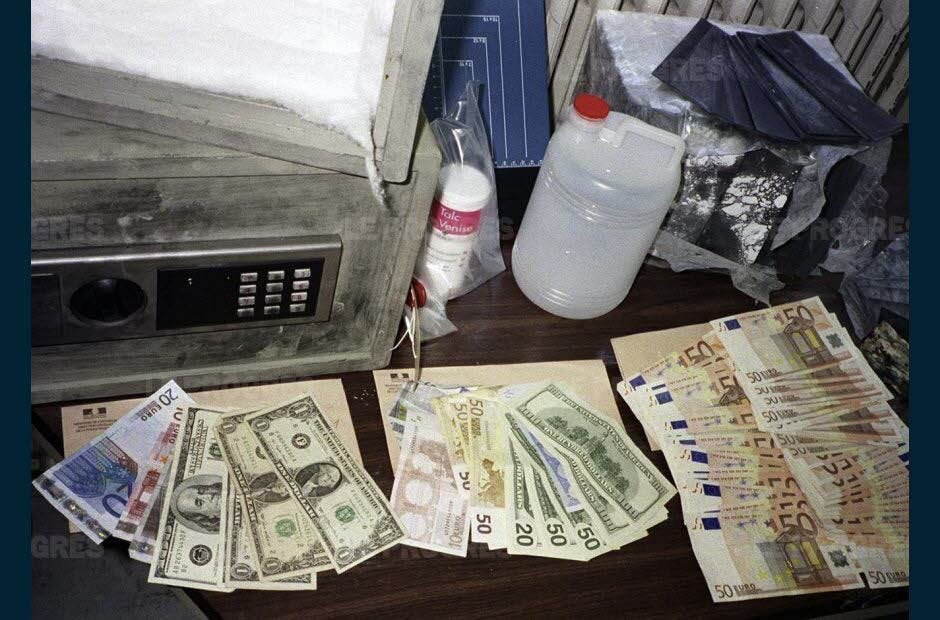
Many websites and social media advertisements claim that these products can remove protective coatings from currency and reveal usable money underneath. Such promotions often feature convincing photographs, videos, laboratory equipment, and testimonials intended to build trust.
However, these claims are widely associated with advance-fee fraud and currency cleaning scams rather than recognized banking or scientific practices. Understanding how these schemes work is essential for protecting yourself and making informed decisions.
This article explains what SSD chemical and activation powder claims are, why they are promoted, how the scams typically operate, and the warning signs consumers should know.
What Is “SSD Chemical”?
“SSD Chemical” is a marketing term commonly used online to describe a supposed chemical solution that allegedly restores blackened or chemically coated banknotes.
Advertisements frequently claim that SSD chemical can:
- Remove black or green coatings from currency.
- Restore stained banknotes.
- Recover hidden cash.
- Clean notes without damaging the original print.
- Work with specialized laboratory equipment.
Despite these claims, there is no recognized scientific or banking evidence supporting the widespread promotional claims made by sellers.
The term itself is not recognized as a standard banking or currency restoration product by central banks. Best chemical ssd cleaning note solution in usa
What Is “Activation Powder”?
Activation Powder is another product commonly advertised alongside SSD chemical.
According to promotional materials, activation powder supposedly:
- Activates the cleaning solution.
- Speeds up the cleaning process.
- Improves chemical reactions.
- Restores damaged banknotes.
However, these descriptions generally lack independent scientific validation.
In many documented scams, activation powder becomes an excuse for requesting additional payments after an initial purchase.
Why Are These Products Advertised?
Most advertisements attempt to convince potential buyers that large quantities of valuable currency have been hidden or protected using special chemicals.
Common stories include:
- Money hidden during wars.
- Currency protected from theft.
- Diplomatic funds covered with chemicals.
- Security banknotes requiring special cleaning.
These stories are designed to make the proposed chemical treatment appear believable.
Understanding the “Black Money Cleaning” Story
Many scams revolve around what is sometimes called the “black money” narrative.
Fraudsters claim that:
- Genuine currency has been coated with black chemicals.
- The coating protects the money.
- Only specialized chemicals can remove the coating.
- Once cleaned, the notes become valuable cash.
Victims are often shown videos demonstrating apparent cleaning processes.
In reality, these demonstrations can be staged using sleight of hand or substituted banknotes.
How Currency Cleaning Scams Typically Work
Although details vary, many scams follow a similar pattern.
Step 1: Initial Contact
Victims are contacted through:
- Social media
- Messaging apps
- Online marketplaces
- Business websites
The scammer introduces an investment or business opportunity involving coated currency.
Step 2: Building Trust
The fraudster attempts to appear professional by using:
- Laboratory photographs
- Chemical containers
- White lab coats
- Certificates
- Technical language
These materials are intended to create credibility.
Step 3: Demonstration
A demonstration may involve:
- Blackened paper resembling currency
- Chemical bottles labeled “SSD”
- Powders labeled “Activation Powder”
- Before-and-after photographs
These demonstrations often convince victims that the process is genuine.
Step 4: Advance Payment
The victim is asked to pay for:
- SSD chemical
- Activation powder
- Laboratory processing
- Customs fees
- Shipping
- Insurance
Once payment is made, additional fees usually follow. Best chemical ssd cleaning note solution in usa
Step 5: Endless Requests
Common excuses include:
- More activation powder is required.
- The chemical reaction failed.
- Government approval is needed.
- Customs seized the shipment.
- Taxes must be paid.
The requests continue until the victim stops sending money.
Why These Claims Should Be Viewed Carefully
Several factors raise concerns about these advertisements. Best chemical ssd cleaning note solution in usa
Lack of Independent Evidence
Scientific claims should be supported by:
- Peer-reviewed research
- Independent testing
- Recognized institutions
Promotional claims surrounding SSD chemical generally do not provide such evidence.
No Central Bank Endorsement
Major central banks do not promote proprietary chemicals for restoring ordinary banknotes in the manner commonly advertised.
Extraordinary Financial Promises
Advertisements often promise:
- Millions of dollars in recoverable currency
- Guaranteed success
- Secret chemical formulas
- Exclusive laboratory technology
Extraordinary financial claims deserve careful scrutiny.
Common Warning Signs
Consumers should exercise caution if they encounter advertisements featuring:
- Secret chemical formulas
- Guaranteed profits
- Confidential laboratory methods
- Pressure to send money quickly
- Claims of exclusive technology
- Requests for repeated payments
- Unverifiable testimonials
These characteristics are frequently found in advance-fee fraud schemes. Best chemical ssd cleaning note solution in usa
Psychological Techniques Used by Fraudsters
Understanding persuasion techniques helps people recognize scams.
Authority
Scammers often present themselves as:
- Scientists
- Chemical engineers
- Laboratory managers
- International consultants
Professional titles can create false credibility.
Scarcity
Victims may be told:
- Only a small amount of activation powder remains.
- Supplies are limited.
- The opportunity expires soon.
Scarcity encourages rushed decisions.
Urgency
Statements such as:
- “Pay today.”
- “Limited time.”
- “Immediate shipment.”
discourage careful research.
Social Proof
Fraudsters frequently display:
- Positive testimonials
- Customer reviews
- Success stories
- Videos of satisfied clients
These materials can be fabricated.
Scientific Perspective
Modern banknotes include sophisticated security features such as:
- Watermarks
- Security threads
- Color-shifting ink
- Microprinting
- Embedded fibers
Financial institutions have established procedures for handling damaged or contaminated notes. Claims that a secret commercial chemical can routinely restore hidden fortunes from coated banknotes are not supported by recognized banking practice.
Financial Risks
People involved in these scams may lose:
- Personal savings
- Investment funds
- Banking information
- Identity documents
Many victims continue paying because they believe the next payment will finally release the promised money.
Legal Considerations
Laws governing currency vary by country. Attempting to alter, transport, or deal with suspicious currency may have legal consequences.
Consumers should always verify extraordinary financial claims through official institutions rather than relying solely on promotional materials.
How to Protect Yourself
Several simple precautions can reduce the risk of fraud.
Research Carefully
Search for independent information before purchasing unfamiliar products.
Verify Companies
Confirm business registrations and contact information through official sources.
Avoid Advance Payments
Be cautious whenever someone requests payment before delivering promised financial benefits.
Ask Questions
Request evidence from independent organizations—not just the seller.
Consult Your Bank
If an offer involves currency or financial transactions, speak with your bank before sending money.
Frequently Asked Questions
Is SSD chemical an officially recognized banking product?
There is no widely recognized evidence that banks or central banks use products marketed online as “SSD chemical” for the purposes commonly advertised.
What is activation powder?
The term “activation powder” commonly appears in promotions related to alleged currency-cleaning services. Promotional claims surrounding these products generally lack independent scientific verification.
Why are additional payments often requested?
Many advance-fee fraud schemes begin with a relatively small payment and later introduce new fees for chemicals, permits, taxes, or shipping.
Are online testimonials reliable?
Testimonials can be helpful, but they should not be considered proof of legitimacy. Always verify claims through independent and authoritative sources.
What should I do if I receive one of these offers?
Avoid sending money or personal information. If the offer appears suspicious, report it to the appropriate consumer protection or law enforcement authorities in your jurisdiction.
Conclusion
Claims involving SSD chemical and activation powder are frequently promoted through online advertisements that promise to restore blackened or chemically coated banknotes. While these promotions often feature technical language, laboratory imagery, and persuasive demonstrations, they are commonly associated with advance-fee fraud schemes rather than recognized scientific or banking practices.
Consumers can protect themselves by approaching extraordinary financial claims with skepticism, verifying information through trusted and independent sources, and avoiding requests for advance payments. Understanding the methods used in these scams is an important step toward making informed decisions and reducing the risk of financial loss.
Remaining informed, asking questions, and relying on official financial institutions rather than sensational marketing claims are among the most effective ways to avoid becoming a victim of currency-cleaning fraud.