
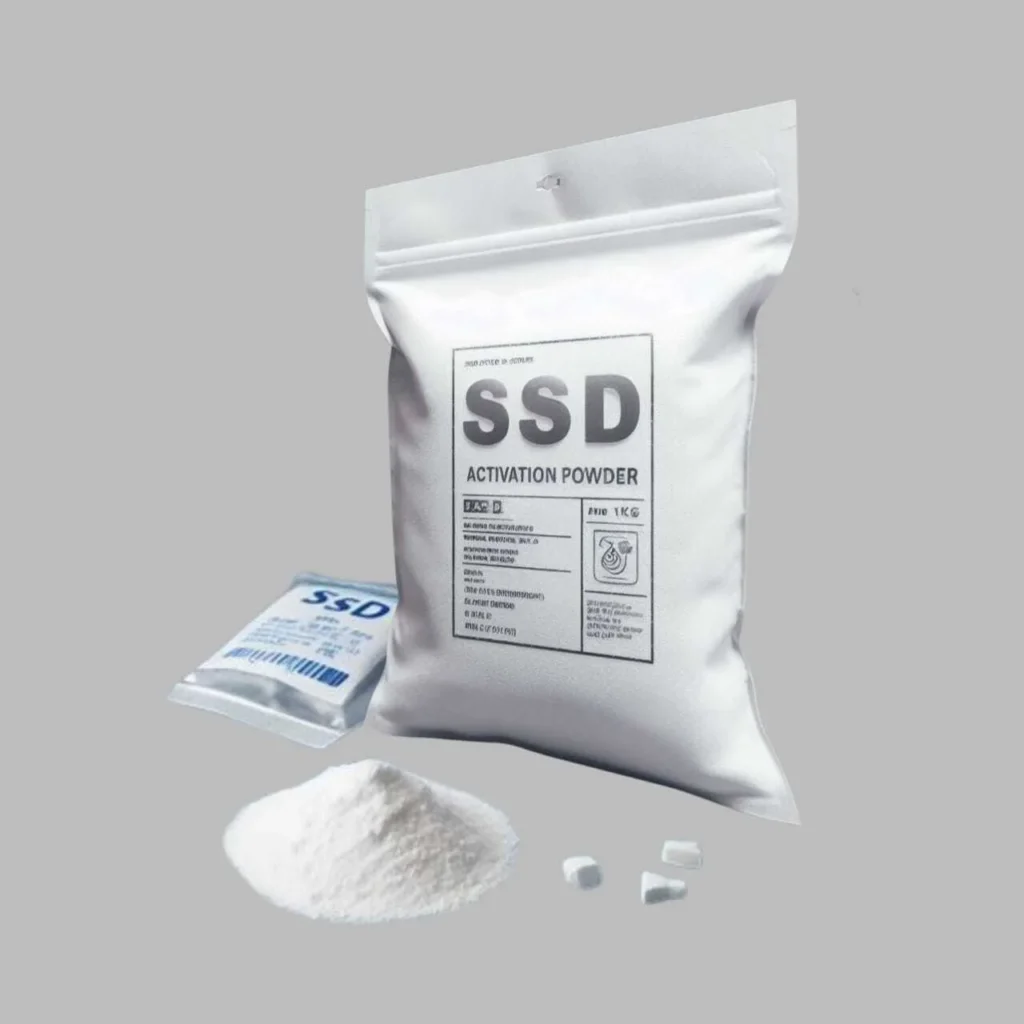
Activation Powder: Understanding the Term, Legitimate Uses, and Common Misconceptions
Introduction
The phrase “activation powder” is used in several different industries and can refer to a variety of products depending on the context. In legitimate scientific and industrial settings, activation powders may be catalysts, curing agents, additives, or specialty materials used to initiate or accelerate chemical or physical processes.
Unfortunately, the term has also been used in online scams to market products with unsupported claims, particularly those promising to restore “blackened” currency or unlock hidden financial assets. Understanding the context in which the term is used is essential to distinguishing legitimate products from misleading or fraudulent claims.
This article explains what activation powder can mean in different industries, its legitimate applications, how to evaluate technical claims, and how to recognize potential scams.
What Is Activation Powder?
There is no single universal product known as “activation powder.” Instead, the term generally refers to a powdered substance that activates, accelerates, or enables a specific process.
Depending on the industry, activation powders may include:
- Chemical catalysts
- Polymer curing agents
- Water-treatment additives
- Ceramic or construction additives
- Laboratory reagents
- Activated carbon powders
- Metal-processing compounds
Each product has its own chemical composition, safety requirements, and intended use.
Legitimate Industrial Applications
Manufacturing
Some activation powders are used in manufacturing to improve reaction rates or help materials cure properly during production.
Construction
Construction materials may include powdered additives that improve bonding, durability, or curing characteristics.
Water Treatment
Certain powdered materials assist in water purification by adsorbing contaminants or supporting treatment processes.
Laboratory Research
Researchers use specialized powders in analytical chemistry, biotechnology, environmental science, and materials research.
Environmental Applications
Activated carbon powders are widely used to remove impurities from air and water because of their highly porous structure.
Importance of Product Documentation
Legitimate chemical products are typically supplied with documentation such as:
- Safety Data Sheets (SDS)
- Technical Data Sheets (TDS)
- Storage recommendations
- Hazard classifications
- Handling instructions
- Regulatory information
These documents help users understand safe handling procedures and intended applications.
Safety Considerations
Anyone working with chemical powders should:
- Read product instructions carefully.
- Wear appropriate personal protective equipment (PPE) when required.
- Store materials according to manufacturer recommendations.
- Keep chemicals away from children and pets.
- Dispose of unused materials in accordance with local regulations.
The specific precautions depend on the product’s composition.
Evaluating Product Claims
When considering any chemical product, ask:
- Does the manufacturer provide technical documentation?
- Are claims supported by scientific evidence?
- Is the product intended for a clearly defined industrial or laboratory purpose?
- Does it comply with applicable regulations?
Be cautious of products that rely on vague descriptions, secret formulas, or extraordinary promises.
Recognizing Misleading Claims
Warning signs include:
- Claims that a single powder can solve unrelated problems.
- Promises of guaranteed financial gain.
- Requests for advance payments before demonstrating results.
- Lack of technical documentation.
- Pressure to act quickly or keep the transaction confidential.
These characteristics are often associated with scams rather than legitimate industrial products.
Frequently Asked Questions
Is there one universal activation powder?
No. The term describes many different products used in different industries.
Are all activation powders chemicals?
Most are chemical or material-based products, but their composition varies depending on the application.
How can I verify a product?
Look for manufacturer documentation, independent testing where appropriate, regulatory compliance information, and clear intended uses.
Why are some activation powder advertisements misleading?
Some misuse the term to lend scientific credibility to unsupported or fraudulent claims. Always verify information through reputable sources.
Conclusion
“Activation powder” is a broad term that can describe a range of legitimate industrial, laboratory, and environmental materials. However, because the phrase is also used in some deceptive marketing schemes, it is important to evaluate products carefully, rely on credible technical documentation, and avoid offers that make extraordinary or unsupported claims.
Whether you are purchasing materials for research, manufacturing, or another legitimate purpose, informed decision-making and attention to safety are essential. Understanding the intended application, reviewing available documentation, and following applicable regulations will help ensure that activation powders are used appropriately and responsibly.